Vibroacoustic Resonance Therapy:
Spectral Analysis of Biological Tissue Response
and Clinical Observations Using the FUISION Device
Abstract
Vibroacoustic therapy is increasingly used in the treatment of musculoskeletal disorders; however, the physical mechanisms underlying its therapeutic effects remain insufficiently described. In particular, most devices operate with predefined frequencies without accounting for the frequency-dependent mechanical response of biological tissues.
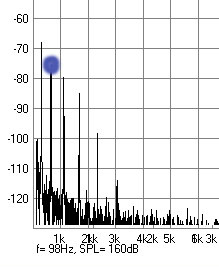
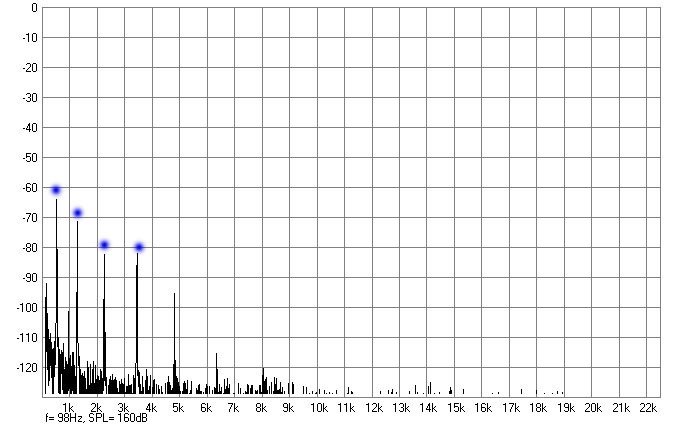
This study presents an exploratory investigation of the spectral properties of vibroacoustic stimulation generated by the FUISION device and its transformation during propagation through biological tissues. The device operates in a broadband regime using an automatic frequency sweep, producing mechanical oscillations that are further shaped by the vibroacoustic transducer and tissue contact.
Experimental spectral measurements were performed for the free signal, the transducer output, and signals transmitted through joints and soft tissues using acoustic and piezoelectric sensors. The results demonstrate pronounced frequency-dependent attenuation and selective transmission, indicating that biological tissues behave as nonlinear viscoelastic media rather than passive filters. Low-frequency components exhibit strong attenuation, while intermediate frequency ranges show enhanced transmission, forming tissue-specific “windows” of mechanical permeability. These observations are consistent with a Maxwell-type viscoelastic model, in which effective viscosity and relaxation time depend on excitation frequency.
In addition to physical measurements, clinical observations were conducted during the application of the FUISION device in patients with degenerative joint diseases, soft tissue injuries, and enthesopathies. Pain intensity, local edema, and functional activity were assessed using standard clinical scales (VAS, Lequesne index, Barthel index). The observed clinical dynamics demonstrated a reduction of pain and edema and improvement of functional parameters over the course of treatment, supporting the practical relevance of frequency-dependent vibroacoustic stimulation.
The results suggest that the therapeutic effects of vibroacoustic resonance therapy are determined not by a single nominal frequency, but by the interaction between broadband excitation and the intrinsic mechanical resonances of biological tissues. This work provides a physical basis for resonance-oriented vibroacoustic therapy and outlines directions for further quantitative and controlled clinical studies. https://doi.org/10.5281/zenodo.18404562